Start with your loads, not your wishlist
The cleanest way to plan an RV power system is to total the appliances you actually use. Lights, fans, routers, laptops, CPAP machines, coffee makers, microwaves, and entertainment devices all matter differently because some run for minutes while others run for hours. Daily watt-hours tell you what your battery bank must support before the sun comes back or a generator runs.
If you skip this step, it is easy to overspend on gear and still miss the one constraint that matters, such as overnight fan use or a morning coffee routine.
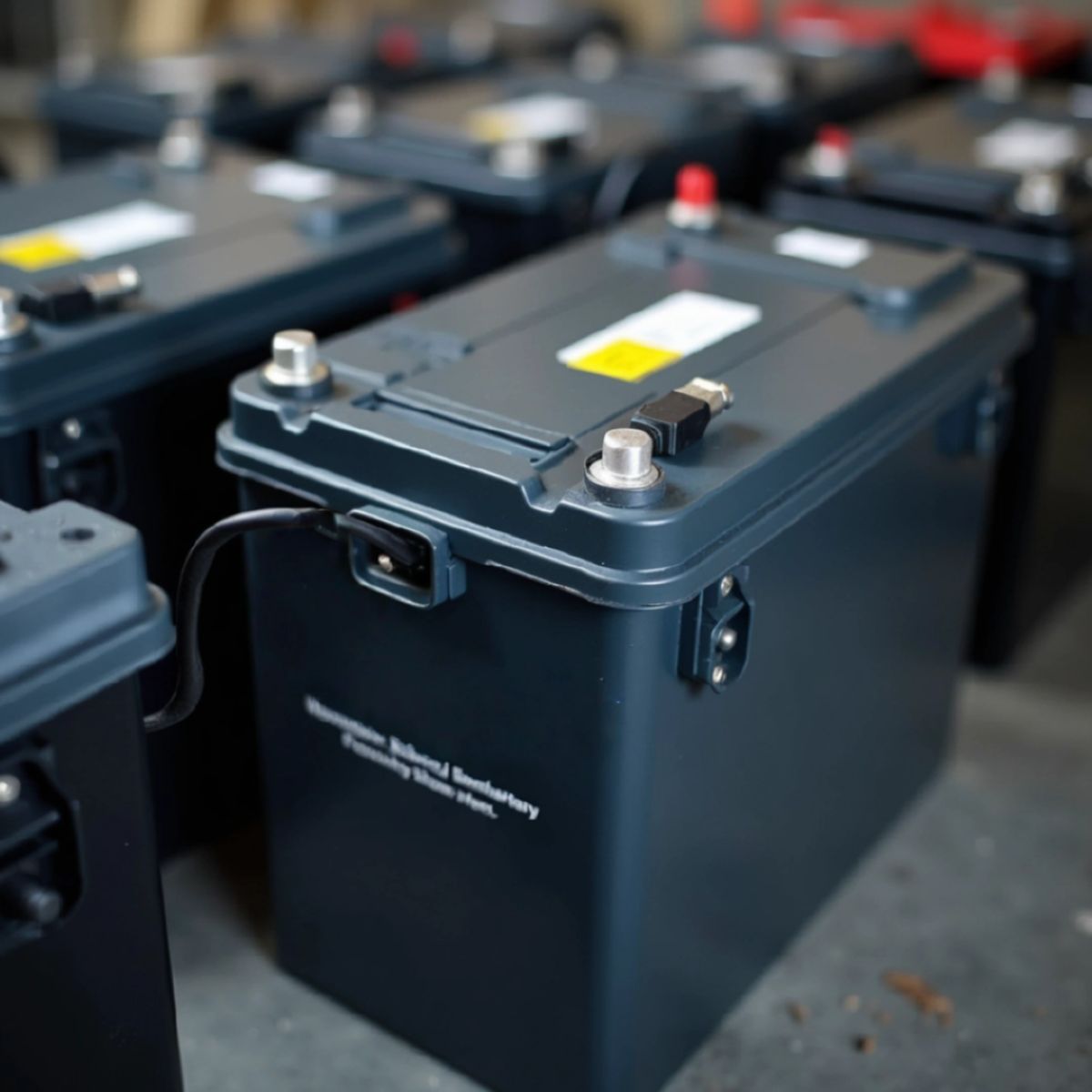
Battery basics: usable capacity matters more than sticker size
Batteries do not all behave the same way. A planning estimate should focus on usable energy, not just theoretical total capacity. On this site, the battery-sizing tool already accounts for practical depth-of-discharge assumptions, so your sizing decisions stay grounded in the way common battery chemistries are typically used.
- Lead-acid banks are often planned around shallower usable capacity to protect battery life.
- Lithium setups usually allow a larger usable share of the nameplate capacity.
- Cold weather, inverter losses, and battery age all reduce ideal performance.
That is why a “big enough on paper” bank can still feel small in real use.
Solar basics: recovery is about math and conditions
Solar is not only about panel wattage. It is about how many watt-hours your array can actually return during the conditions you camp in. The site’s solar planner uses a conservative approach that divides daily energy by 0.7 and then by available sun hours, which effectively builds in roughly 30 percent overhead for losses, charging realities, and imperfect conditions. That makes the estimate more practical than a pure ideal-case panel rating.
Shade, season, roof orientation, panel cleanliness, and charge-controller quality all influence what you recover by late afternoon.
Generators solve a different problem than solar
Solar and batteries are great for steady everyday energy. Generators are often there for backup, bad weather, air-conditioner support, heavy charging days, or appliances with strong startup surges. If you use the generator-sizing tool on this site, keep the focus on the highest realistic simultaneous load and the startup spike of the most demanding appliance.
That keeps you from buying a unit that technically runs but feels strained every time a compressor starts.
A smart beginner upgrade path
- Measure your daily loads first.
- Add battery capacity that comfortably handles your overnight and low-sun routine.
- Add solar sized to refill a meaningful portion of that routine on normal days.
- Keep generator backup if you camp in shade, heat, shoulder seasons, or cloudy stretches.
That order makes each purchase easier to evaluate because you know what problem it is supposed to solve.